Keith Carter
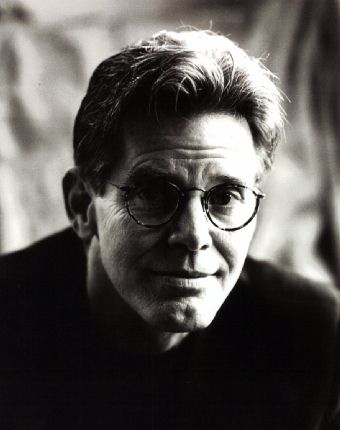
Carter first found his subjects in the familiar, yet exotic, places and people of his native East Texas. For the past two decades he has expanded his range not only geographically, but also into realms of dreams and imagination, where objects of the mundane world open glimpses into ineffable realities.
Keith Carter explores relationships that are timeless, enigmatic, and mythological. Drawing from the animal world, popular culture, folklore, and religion, Carter presents photographs that attempt to reflect hidden meanings in the real world. Carter makes photographs addressing the relationship we have to our ideas of place, time, memory, desire, and regret. He examines at times, the history of photography as well as our own shared histories.
At the age of three, Keith Carter's family moved to Beaumont, Texas where, soon after arriving, his father left and his mother worked as a professional photographer of children. Earning a degree in business administration from Lamar University in Beaumont, in 1970, Carter began working on personal photographs as well as commercial photography. His commitment to long term personal projects has resulted in the publication of twelve monographs including FROM UNCERTAIN TO BLUE (1988), THE BLUE MAN (1990), MOJO (1992), HEAVEN OF ANIMALS (1996), BONES (1996), KEITH CARTER-TWENTY FIVE YEARS (1997), HOLDING VENUS (2000), EZEKIEL'S HORSE (2000), TWO SPIRITS (with Mauro Fiorese) (2001), OPERA NUDA (2006), DREAM A PLACE OF DREAMS (with Mauro Fiorese) (2008), A CERTAIN ALCHEMY (2008) and FIREFLIES: PHOTOGRAPHS OF CHILDREN (2009). In addition, Carter's editorial work has included cds, albums, book jackets, and over 6000 portraits of children.
A month long trip in 1973 to New York's Museum of Modern Art to study their permanent collection three days each week heightened an already intense interest in the art of photography. A chance meeting with playwright and National Medal of Arts winner Horton Foote, focused his observations on his native East Texas as an exotic land.
In the beginning, trying to find a direction in his work he has said, “I became Walker Evans because his photographs looked a lot like where I lived.” He read and re-read James Agee’s and Walker Evans' Let Us Now Praise Famous Men. At the same time he became absorbed in the great Southern writers; Harper Lee, William Goyen, Reynolds Price, Flannery O’Connor, William Faulkner, and Eudora Welty and began a lifelong love affair with the South and its storytelling tradition.
He attended Lamar University and graduated with a degree in Business Management in 1970. His early photographs were based on stories "I had heard or read, black folk tales of dog ghosts and bottle trees, the wonder of children, and using my own white Anglo-Saxon Protestant background, I tried to weave glimpses into what I found instructive, eloquent, and enduring".
A Mother's Camera and 13 Oak Trees
At 53, Carter, a self-taught artist, finds that he is even more enchanted and
entranced by his medium today than he was almost 28 years ago when he began to discover the magic that is photography.
Carter's mother Jane, who sadly has been fighting the demons of Alzheimer's for the past five years, was also a photographer. "I grew up around it," Carter says, "but I didn't pay attention to it 'til I came out of college." One day he borrowed his mother's camera, took a few pictures, and showed the results to his mother.
"'Honey,' she said," recalls Carter, "'you have nice sense of composition and light.'" From that moment onwards, he says, "I caught fire and never looked back."
Carter still has a lot of his mother's negatives but very few prints. Jane was a single mother, who unlike her son "didn't have the luxury" of using photography to make art. "She had to hold a family together," he explains. The young Carter used to assist his mother, who remains one of his biggest supporters. "She still gets very excited about my work," he adds, "especially if something big happens."

From Uncertain to Blue
"In the beginning there was no real plan, just a road trip that became a journey." In the 1980's Keith Carter and his wife, Patricia, visited one hundred small Texas towns with intriguing names like Diddy Waw Diddy, Elysian Fields, and Poetry. He says, "I tried to make my working method simple and practical: one town, one photograph. I would take several rolls of film but select only one image to represent that dot on my now-tattered map. The titles of the photographs are the actual names of the small towns..."
Horton Foote
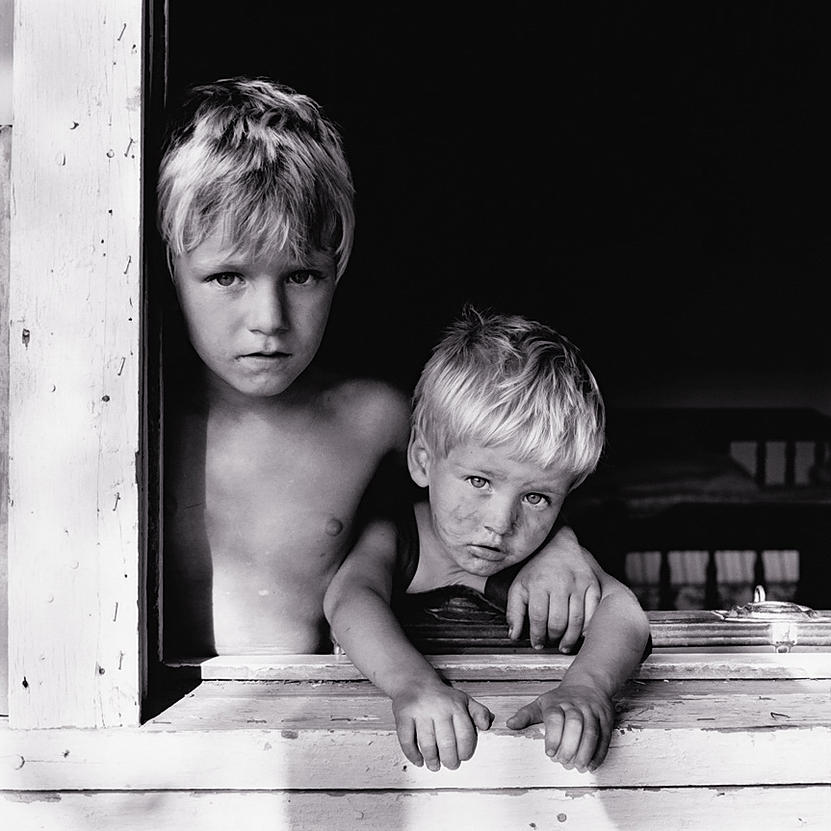 |
I love this photograph, if our old home still had the old wooden windows I would have taken so many images of my children hanging out them just like when I was a child and not to forget to mention we fell out of them too !
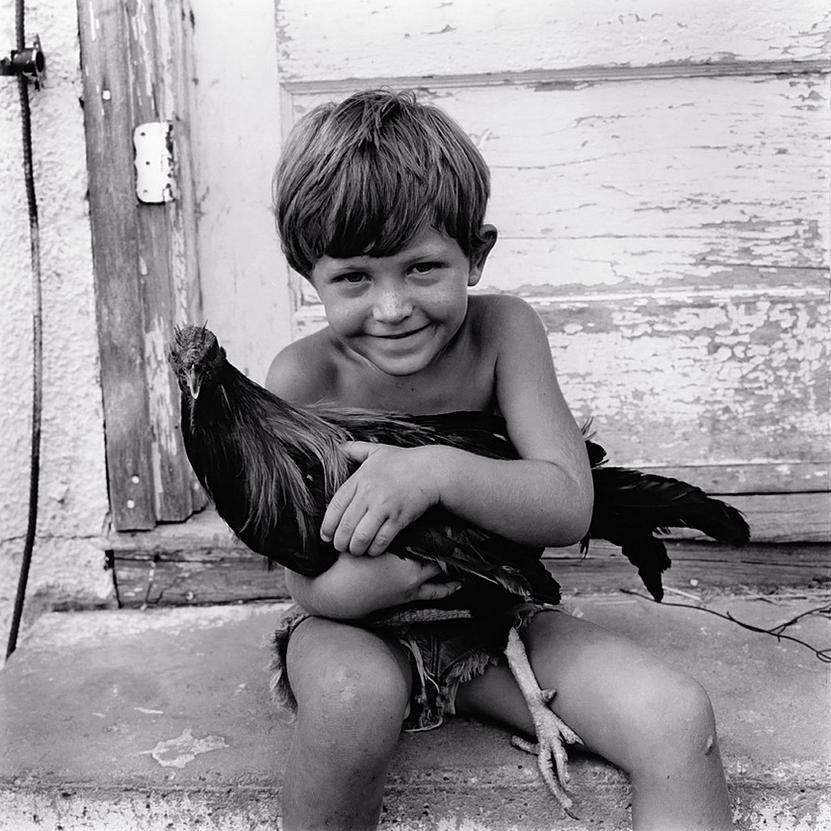
Im thinking more and more about these images that perhaps they relate more to myself than my own children because of how times have changed. When I was a child we had lived in such old farm houses barely standing and we always had chickens and turkeys running freely , perhaps I deep down wanted that for my own children rather than leaving in urban areas.
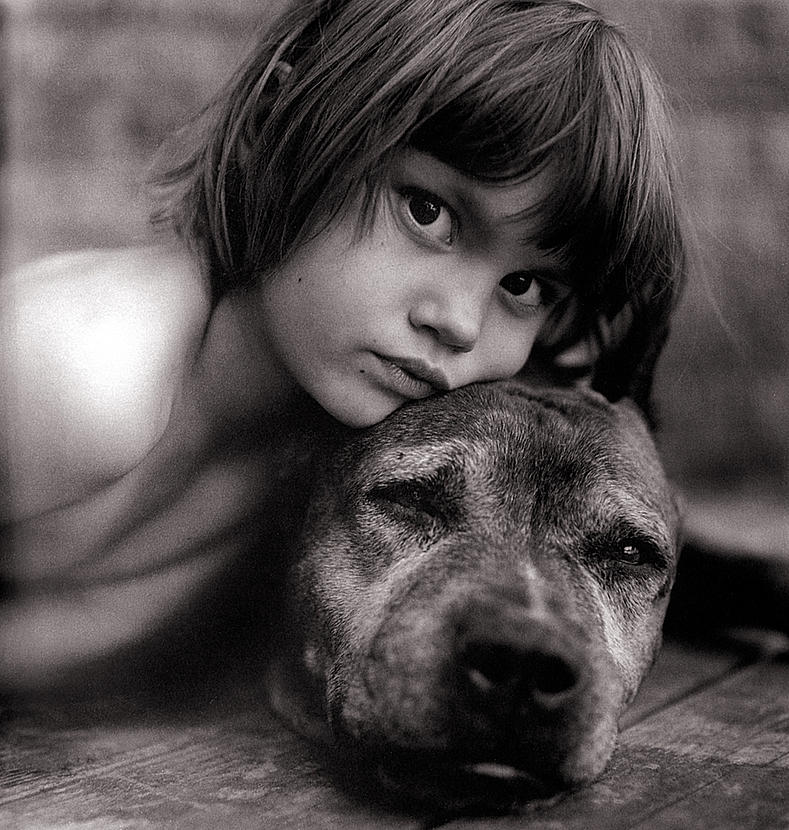
In saying that these images of Keiths are similar to how I would like to photograph children in a real environment , in a real way in saying that I mean not in a controlled environment like a studio with a painted wall but outside in the weather utilising whats around them i.e. pets , toys , mud , rain etc.
I would love to photograph my kids the way Keith has and perhaps I will one day.
Fireflies
"Sometimes I think of myself as the Flannery O'Conner of children's photography. My pictures occassionally tend toward the dark or solitary side. In my world of truths and half-truths, the inhabitants might be amiss or fallen from grace, but my children inhabit a peaceable kingdom where everything that falls deserves a chance to be restored. My children are beautiful, intelligent, sometimes sad, pensive, devastatingly perceptive, complex, occassionally humorous, always creative, and often inscrutable."
Keith Carter
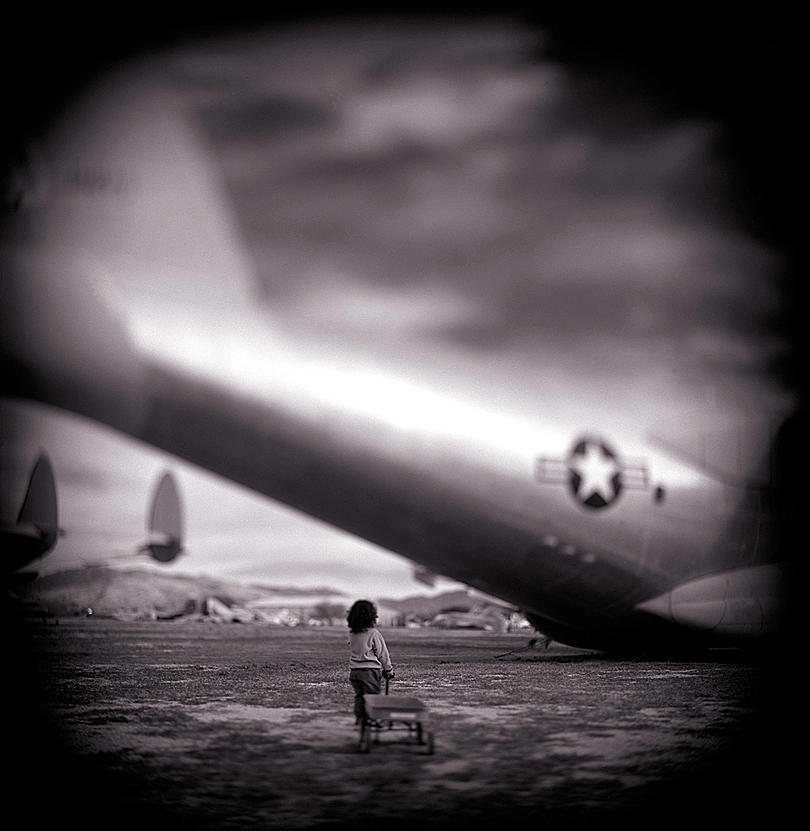
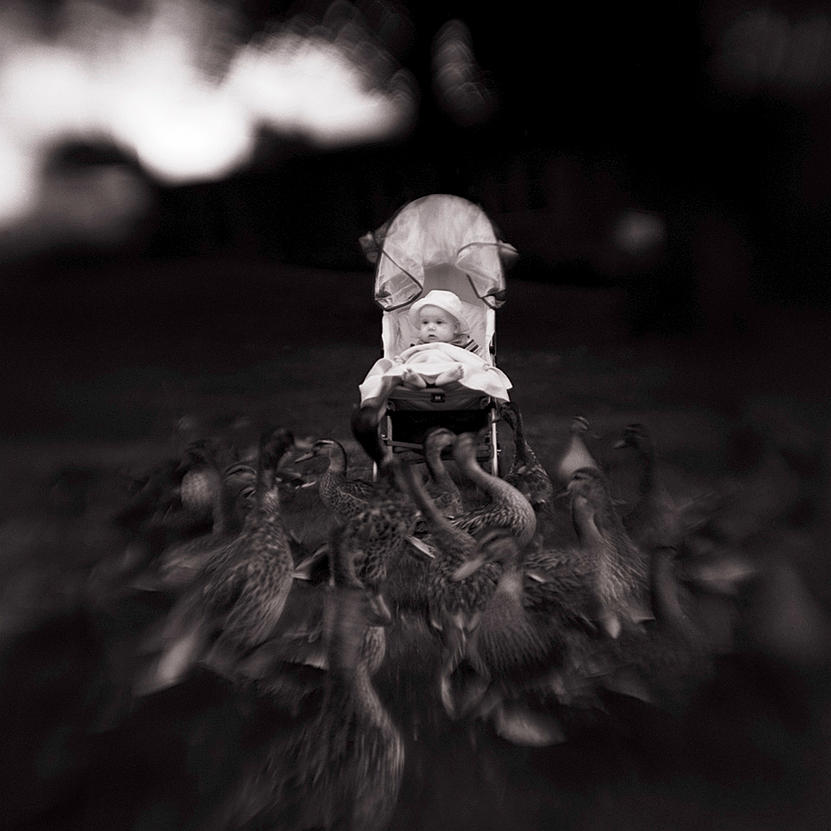
An amazing image I love the narrow depth of field and the blurred , darkened foreground . The child pulling the trolly totally draws you into this picture , thinking and wondering, the hows and whys etc
 |
Narrow depth of field , I like to take my images this way but in my portfolio haven't done enough of that but will continue to practise.
 |
| Add caption |
Ezekiel's Horse
"There is probably no better imagery of the miraculous than images of animals, or, as St. Francis would call them, brother and sister horse, bird, cat, and so forth. I know of no other fine-art photographer in photography's history who has given animals the attention Keith Carter has. There are horses, dogs, birds, raccoons, deer, turtles, pigs, alligators, lizards, snakes, cats, crabs, mice, fireflies, and other bugs in his work."
John Wood
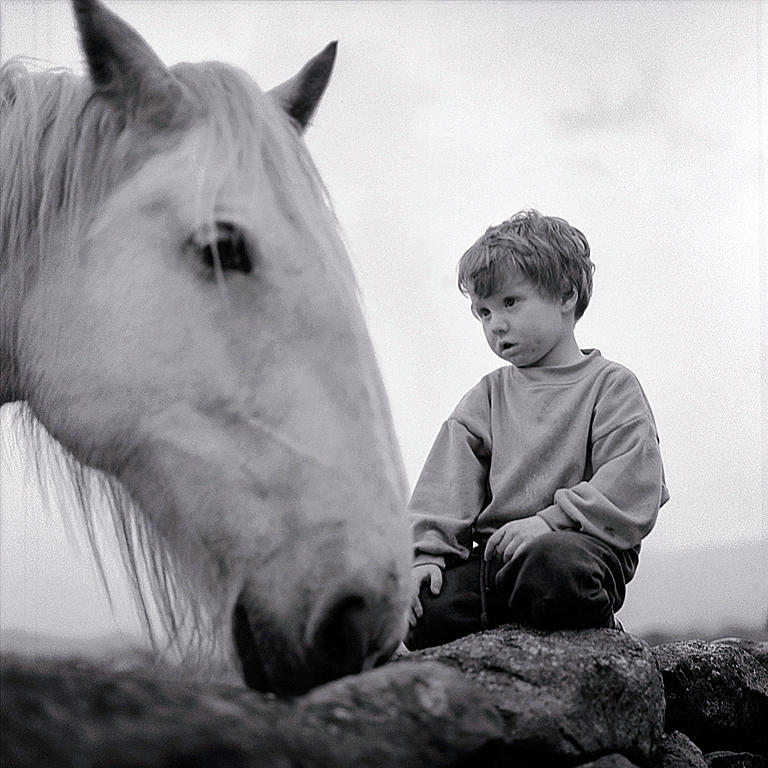 |
Look at the look on this boys face its a classic and Keith has nabbed this moment precisely at the right time. time. Great photography
The Blue Man
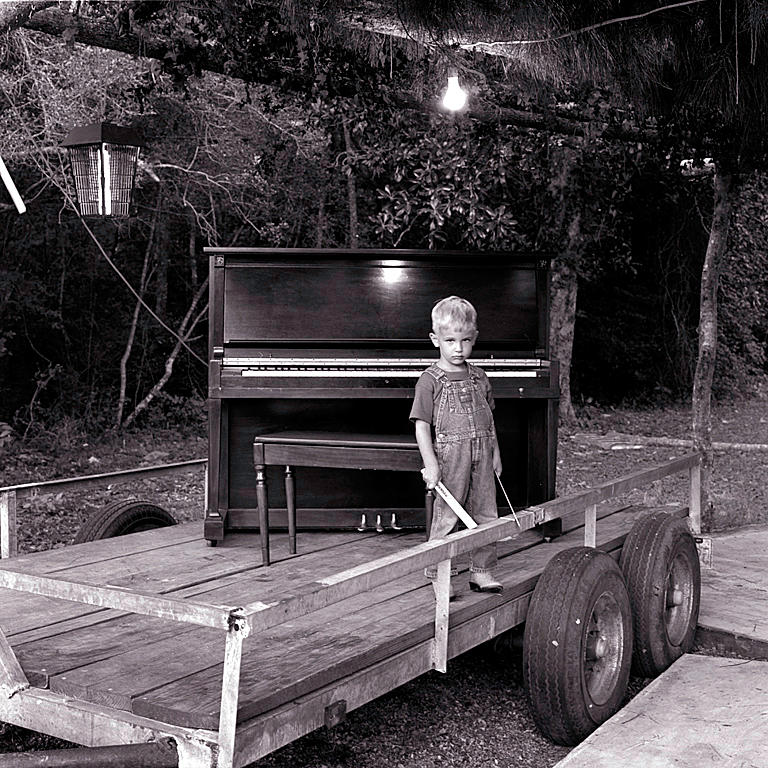
"Keith Carter's luminous, poetic photographs are moving documents of people and places where time seems to have stopped. They tell the story of hard lives lived with simple dignity outside the frantic movement and gaudy neon of the big city. Like Walker Evan's portraits, these photographs leave a sense of permanent pathos that informs a highly developed understanding of the medium and its history."
Barbara Rose
Editor-in-Chief
The Journal of Art
 |
I have really enjoyed researching Keith and definitely will
keep him in my mind for further projects around children .
I feel he's natural and keeps everything real. The narrow depth of field is my
favourite and he does such a good job using this technique.
===========================
My photographs that I thought about after reading about Keith was incorporating our pets into the mix .
Keith incorporated animals into his shots with the children I liked those images and decided I could do the same as they are in our daily lives.
We couldn't find the cat so Angus had to be the star today
 |
Toko sharing a moment with Angus . I love Tokos expression I think that works but I would have liked to have had more of Angus's face.and less branches in the background. With my black and white images they havent got the same colour as Keiths and I didn't capture the narrow depth of field anywhere near as good as his. |

Black and white image of Toko and Angus. It works for me but I prefer colour.

 |
I like this photograph as they are both looking at me and I feel I have captured a moment but Toko looks a little out of focus. This image in black and white looks ok Im happy with it. |
 |
| Again with this image perhaps more of Angus's face but a moment for the both of them. |
My last image for this exercise is Sissy peeping out of the window.

I really like this image , suits black and white , not as great as Keiths but a learning experience to say the least.
===================================================

Have you taken any photographs inspired by Keith Carter? If so it would be great to see some in this post
ReplyDelete